- 20 Posts
- 4 Comments

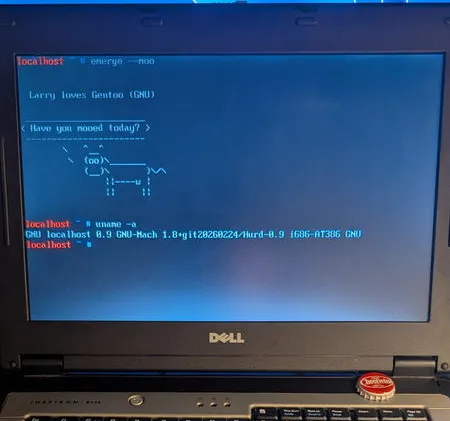
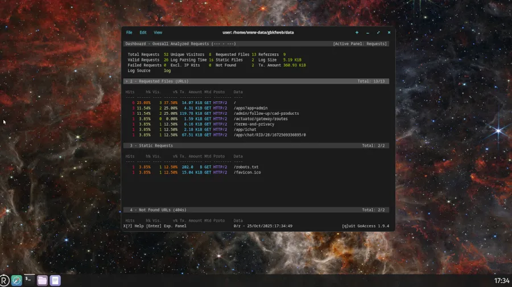


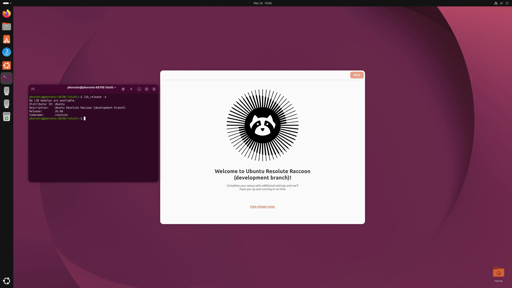

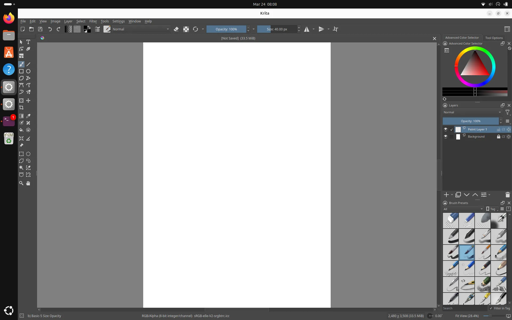
More popular. More users. Higher percentage of desktop/laptop PC users
Flatpak permissions handled in a very easy to use way. No silent failure. No need to go to flatseal and users understand why something didn’t work how they expected and what they need to do to fix it
Growing Linux userbase eventually results in great day one support for new products from Qualcomm, ARM mali GPUs, PowerVR, etc. They’ll want to be able to compete year after year with Intel and AMD someday
Someday native Linux games rather than WINE/Proton will become the norm
Popular media software categories continue seeing open source software gain mainstream/professional viability. Talking like Blender, Godot, Krita today. Someday stuff like Kdenlive, Scribus, Inkscape, Ardour, GIMP, Darktable, etc will breach some line of good enough functionality, interface design. Someday the user base will grow enough and enough will make it into industry with their experience and opinions
Someday more normal Linux phone OS’s like PostmarketOS will become a solid piece of the mobile pie. Like ~5%. Like how desktop Linux is today. Good usability but still working up to streamlined. That’ll be way better than today. In what I imagine would be well over a decade when a Linux phone is as popular as desktop Linux is today, it’ll actually be pretty easy to use like desktop Linux is today
I see everything through the lens of the difference in user experience and mainstream penetration of 2010 compared to today. Like Kdenlive of 2010 compared to today. 2010 Blender vs today’s Blender. 2010 OpenOffice compared to 2026 Libreoffice. Gaming with WINE in 2010 to today with Proton/WINE/Steam. Unity/KDE/GNOME/etc of 2010 compared to today.

 8·1 month ago
That’ll be nice to see. I like Collabora but haven’t tried hosting it. Opening that up and LibreOffice up side by side with the tabbed interface, barely any different. Maybe LibreOffice exposes way more buttons in each tab so maybe more intimidating but it looks pretty good compared to what I remember when the tabbed interface was first made available. Looking forward to seeing this progress





 0·8 months ago
Once you have Monero in your wallet, when you send it it’ll be anonymous to the receiver and people won’t be able to look at the block chain and see people’s balances and transaction history. You can buy some monero on an exchange with your bank account and withdraw to get started with familiarizing yourself with crypto. Good enough in my opinion to at least learn. Exchange knows you bought Monero from them but after it’s gone from them, they won’t be able to trace around where you send stuff to
If it’s not available on any exchange you can easily move money into, you may just need to buy a different crypto and use another exchange/service to exchange again into Monero. There will be fees. Trocador is regularly mentioned from what I remember
Actual anonymous acquisition, you’re going to need to find a person in real life with monero to exchange something for it or you physical mail exchange and they send you Monero. Tough to find. Don’t know how LocalMonero is doing these days in usage/existence
Actually making payments, you got to find places that take it. Not a lot. You can pay for Mullvad VPN with Monero. Getting paid in Monero, 3 niches layered there. One is doing something people will pay you for, those same people being willing to pay in crypto, the people also having Monero. That’s tough.
Wallets, Monero website, you can probably trust Wikipedia Monero page to send you to the official website. On desktop you can download the software that downloads the whole block chain and it’ll have a GUI to send Monero and a place to copy an address for people to send to. Mobile, Cake wallet is popular
But really the hard part in my opinion is finding businesses and people that take and pay with Monero. You’ll acquire Monero to use but struggle to find places to use it for
It shouldn’t be hard by 2030 I imagine; particularly if you primarily or exclusively use open source software. The RVA23 chips announced I usually see people comment them as having synthetic benchmark scores at about the Apple M1 level. I regularly use a laptop with a Skylake dual core in it and a Raspberry Pi 5 run off a microsd rather than a m.2 NVME hat. With that in mind, if RISC-V designs don’t get any better than that in the next 4 years, they’ll still be better than hardware that I will still be using. I still use a Raspberry Pi 3. At work every now and then I’ll throw a gitlab runner on a 10 year old desktop to have another thing building when things are busy
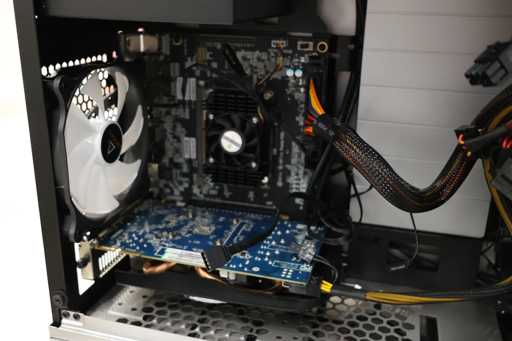
There are RISC-V developer boards today with PCI-E slots that you can throw in pretty much any AMD graphics card. The big distributions Debian, Fedora, Ubuntu, Red Hat - they all support risc-v. felix86 is equivalent to box64 and FEX for x86 to ARM:
https://felix86.com/felix86-26-04/
Software support is solid already today. It’s hardware availability for the announced RVA23 designs that’s not mature yet. 4 more years and I imagine in most cases the experience of Linux on RISC-V hardware not being much different than on ARM or x86 hardware